

Key takeaways
- Roller blinds with a sunscreen fabric are the best all-round office window covering for open-plan spaces full of screens.
- Glare control matters because 58% of adults report digital eye strain, and most office workers spend about seven hours a day on a computer.
- Aluminium venetian blinds and shutters suit Cape Peninsula offices because they resist coastal moisture and wipe clean fast.
- Boardrooms need a privacy layer that still allows daylight, so pair a sheer with a blackout or opaque treatment on the same window.
- Match treatment colour and operation style to your brand so window coverings read as part of the office design, not an afterthought.
For most offices in 2026, sunscreen roller blinds are the strongest window covering, because they soften glare on monitors while keeping an outward view and a clean look. If your space faces direct Cape sun or sits near the coast, aluminium venetian blinds and shutters are close runners-up for their durability and quick cleaning. This guide ranks the best office window treatments 2026 by how they affect staff comfort, screen glare, privacy and the professional feel of a workspace, so you can brief an installer with confidence.
Window coverings do real work in an office. Workers near windows with good daylight slept an average of 46 minutes more per night than those without natural light exposure, according to a Northwestern University study. The goal is to let that daylight in while controlling its downsides, and the right treatment is what makes that balance possible.
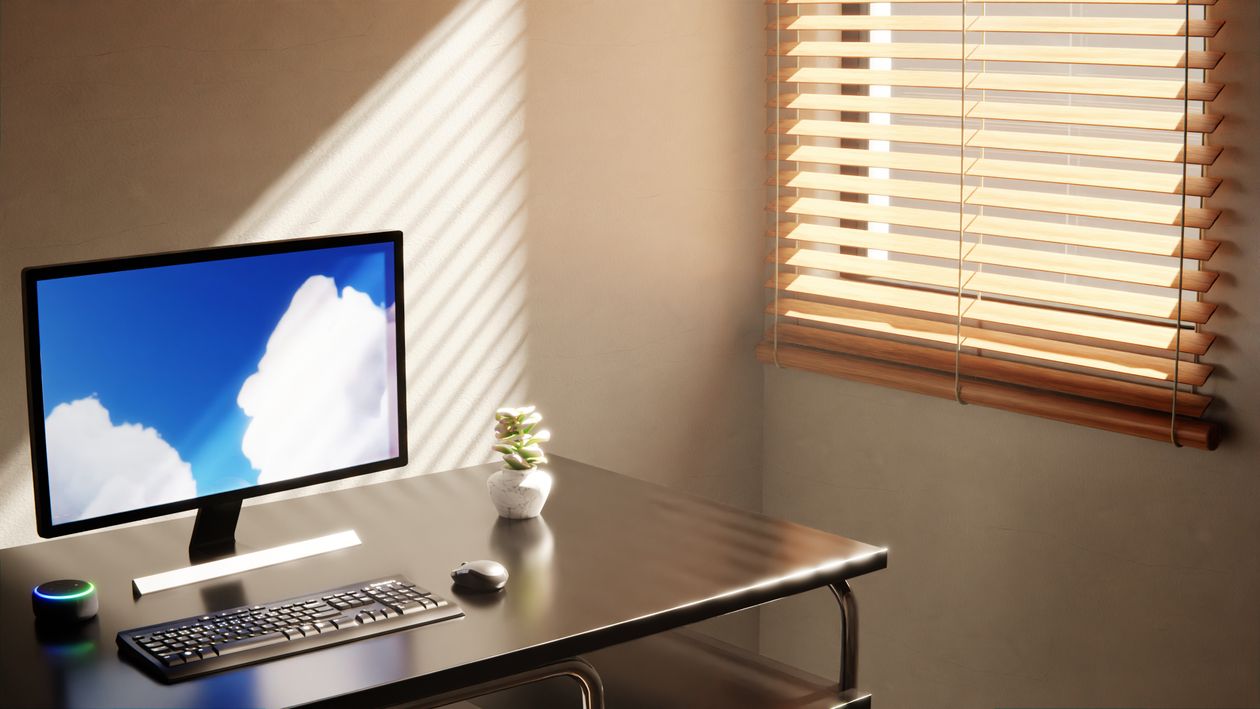
Top office window coverings ranked for productivity and comfort
Here are the best office window coverings ranked for everyday work, where people sit at screens for hours and comfort translates directly into output.
- Sunscreen roller blinds. A single flat fabric that filters light to a set openness, usually around 3 to 10 percent. Staff keep a view out, glare drops, and there are no slats to dust. Best for open-plan floors and screen-heavy desks.
- Aluminium venetian blinds. Tilting slats give fine control over light angle, so you can bounce sun toward the ceiling and away from eyes. They suit meeting rooms and private offices that need adjustment through the day.
- Plantation shutters. A premium, built-in look with wide louvres you angle like a venetian. They insulate well and read as a permanent fixture, which suits reception areas and director offices.
- Vertical blinds. Practical for very wide windows and sliding doors. Vanes rotate and draw aside, which works for boardrooms with floor-to-ceiling glazing.
- Roman blinds. A softer, fabric-fold option for quieter, client-facing spaces such as consulting rooms, where a residential warmth suits the brand.
For a deeper look at how these choices play out across a working floor, the office blinds guide for Cape Peninsula businesses covers room-by-room recommendations.
Glare and heat control for screen-heavy spaces
Glare is the most common complaint in offices, and it has measurable costs. A Cornell University study of workers in optimised daylight found an 84 percent drop in eyestrain, headaches and blurred vision, along with a 10 percent decrease in drowsiness, as reported in a study announcement carried by PR Newswire. That matters because digital eye strain is widespread: the American Optometric Association reports that 58 percent of adults have experienced it from computer use.
The treatments that solve glare best share one trait: they diffuse or redirect light rather than block it. A sunscreen roller blind scatters harsh sun into soft, even light while preserving the view. An adjustable venetian lets you tilt slats so direct beams hit the ceiling instead of a screen. Both let staff keep working without plunging the room into darkness.
Heat is the second half of the problem, and it is sharp in the Cape. Windows drive a large share of building energy use. Lawrence Berkeley National Laboratory estimates that windows are responsible for 2.15 quadrillion BTU of heating energy consumption and 1.48 quads of cooling energy consumption annually across US buildings, a reminder of how much thermal load passes through glass. In practice, a reflective-backed roller fabric or a closed shutter on the afternoon-sun side eases the air-conditioning burden and keeps desk temperatures steady.
Low-maintenance picks for busy workplaces
Busy offices need window coverings that look after themselves. The lowest-maintenance options are aluminium venetian blinds, roller blinds, and shutters, because they wipe clean with a damp cloth and have no fabric folds to trap dust.
- Aluminium venetians shrug off moisture, which matters in offices near the sea where salt air corrodes cheaper finishes. A quick wipe along the slats keeps them presentable.
- Roller blinds have the simplest mechanism of all. One tube, one fabric, nothing to realign, and antimicrobial or stain-resistant fabrics suit shared spaces.
- Shutters are close to maintenance-free once installed, with a wipe-down the only regular task.
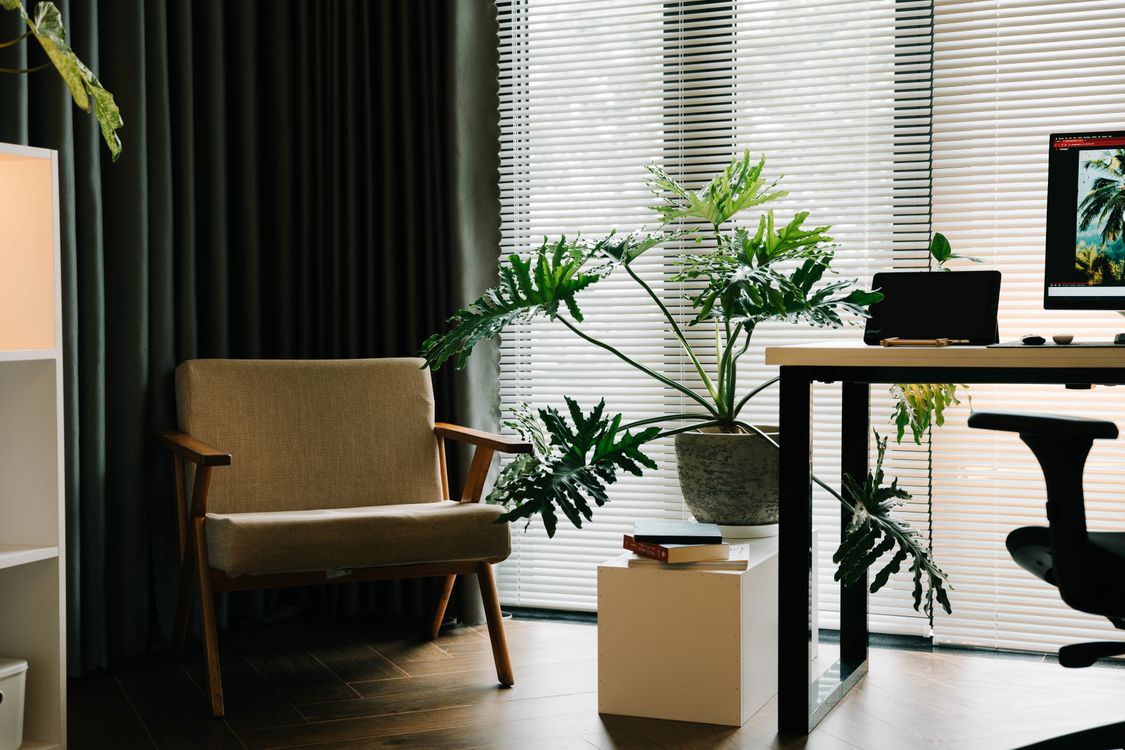
Fabric blinds such as romans look handsome but ask for more care in a high-traffic office, so reserve them for lower-use rooms. If salt air and humidity are a concern in your building, aluminium is the material that holds up, and the same logic that protects coastal homes applies equally to seafront offices.
Privacy solutions for boardrooms
Boardrooms have a split brief: they need daylight and an open feel most of the time, then full privacy the moment a confidential meeting starts. The best answer is a dual-layer setup on the same window.
Pair a sheer or light-filtering blind for everyday use, which screens the room from outside eyes while letting light through, with a blackout roller or solid shutter behind it for presentations and sensitive discussions. At the pull of a cord, the room goes from bright and welcoming to sealed and screen-ready for a projector.
Where a boardroom has internal glass walls onto a corridor, a top-down bottom-up blind or a blackout roller lets you cover the lower half for privacy while daylight still enters above. Vertical blinds also work on wide internal glazing because the vanes rotate shut for an instant privacy wall. For spaces that double as quiet rooms, the heavier light control of a blackout treatment carries extra benefit.
Matching treatments to a professional aesthetic
Window coverings are a visible part of your office design, so they should read as deliberate. Three choices decide whether they look professional or improvised.
- Colour. Neutral greys, whites and charcoals suit most corporate interiors and hide wear. Match the blind tone to window frames or wall colour so the treatment recedes into the architecture rather than competing with it.
- Consistency. Use the same treatment type across a floor. A mix of roller blinds, venetians and romans on one facade looks disjointed from the street. One system reads as intentional.
- Operation. Motorised blinds on large or high windows remove dangling cords, meet modern safety expectations, and let you schedule the whole floor to track the sun. For client-facing frontage, the clean lines of motorisation signal a well-run business.
Shutters and plantation styles carry the most premium appearance, which is why they earn their place in reception areas and executive offices where first impressions count. Roller and venetian systems give you a sharp, understated look for the working floor at a more practical price.
Choosing the right fit for your office
Start by walking your floor at the time of day the sun is worst. Note which windows throw glare onto screens and which rooms need privacy, then match each to the ranked options above: sunscreen rollers for the open plan, adjustable venetians where light shifts through the day, a dual layer for the boardroom, and shutters where the brand wants a premium finish.
The practical next step is a free on-site measure and assessment. Jacobs Blinds and Shutters installs across the Cape Peninsula and can specify fabrics, materials and motorisation to suit each room, so book a site visit and get a room-by-room recommendation before you commit to any single system.
Frequently asked questions
What are the best office window treatments in 2026?
Sunscreen roller blinds rank first for most offices because they cut glare on screens while keeping an outward view. Aluminium venetian blinds and shutters follow closely for coastal durability and easy cleaning.
How do I stop glare on computer screens from office windows?
Fit a sunscreen roller blind or adjustable venetian blind on the sun-facing windows. Both diffuse harsh light so staff can see their monitors without pulling every blind fully closed.
What window covering is best for a boardroom?
Use a dual layer: a sheer blind for daytime privacy with daylight, plus a blackout roller or shutter for confidential meetings and presentations. This gives full control at the pull of a cord.
Which office blinds need the least maintenance?
Aluminium venetian blinds, roller blinds and aluminium or plantation shutters are the lowest-maintenance options. They wipe clean with a damp cloth and resist the moisture common in Cape coastal offices.