
Key takeaways
- Honeycomb blinds trap air inside hexagonal cells, which slows heat moving through the window in both summer and winter.
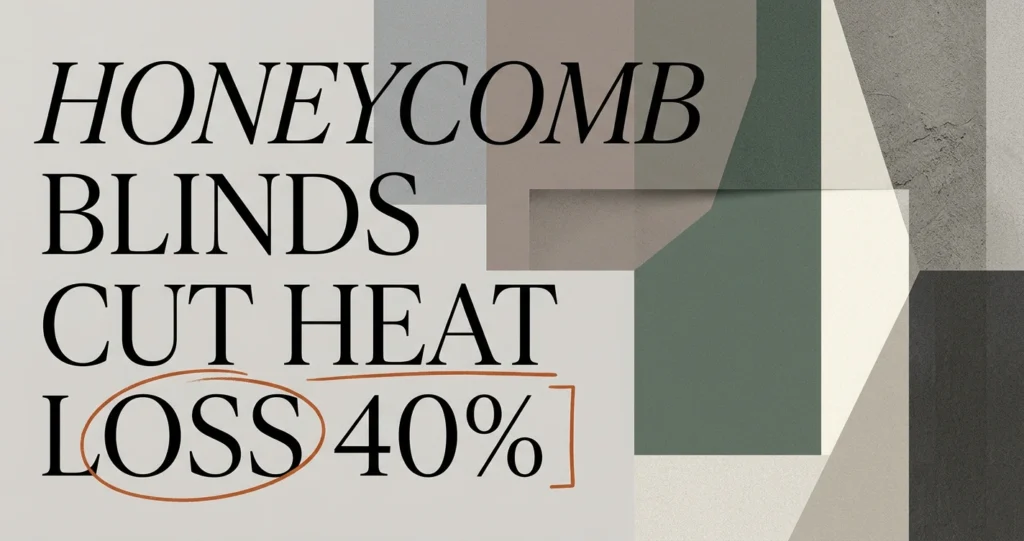
- The US Department of Energy reports cellular shades can cut window heat loss by 40% or more and solar heat gain by up to 80%.
- Light-filtering fabric softens glare while blackout fabric blocks almost all light, so the room decides the fabric.
- Bedrooms, west-facing rooms and large glazed areas gain the most comfort from cellular blinds on hot and cold Cape days.
- Monthly dusting and occasional vacuuming with a brush head keep the cells open and working.
Honeycomb blinds insulate a room by trapping air inside rows of hexagonal fabric cells, which slows heat passing through the window. That single feature makes them one of the most practical window coverings for Cape homes, where a July morning can feel cold and a February afternoon bakes the west-facing rooms. This guide explains how the insulation works, the energy and comfort payoff, your light-filtering and blackout choices, the rooms that benefit most, and how to keep the cells clean.
Honeycomb blinds are also called cellular blinds, and the two names describe the same product. The cell shape is the whole point, so it helps to understand what is happening inside the fabric before you choose a style.
How Do Honeycomb Blinds Trap Air to Insulate a Room?
Windows are a weak spot in any building, and a large share of a home's heating and cooling energy slips away through the glass. Honeycomb blinds target that weak spot directly.
Each cell holds a pocket of still air. Still air barely conducts heat. That trapped layer becomes a buffer between the warm or cool room and the glass, and it works both ways: in winter it slows warmth escaping outward, while in summer it holds back the outdoor heat trying to push in. It is the same principle that makes a double-glazed window outperform a single pane.
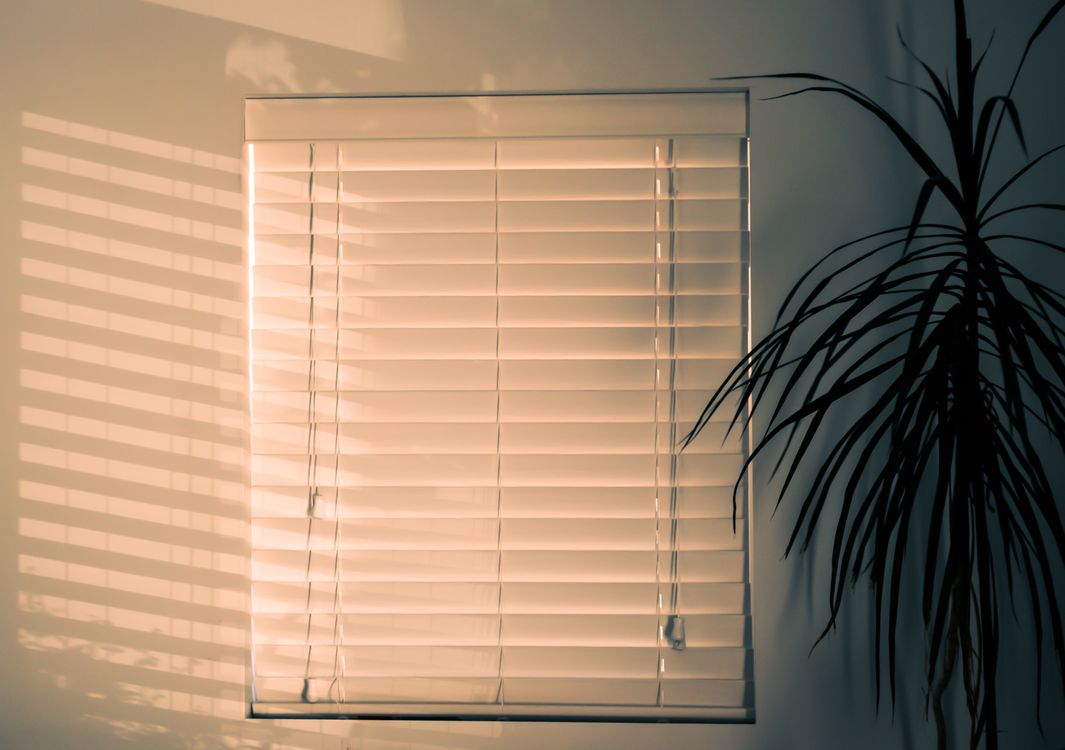
Cell size changes how much air sits in that buffer. A single-cell blind has one row of pockets, while a double-cell blind stacks two rows for a thicker air layer. For a window that catches the full Cape summer sun or loses heat on a cold night, the extra depth of a double cell gives you more insulating value.
What Are the Energy and Comfort Benefits on Hot and Cold Days?
The numbers from independent energy research are clear. The US Department of Energy found that cellular shades can reduce heat loss through windows by 40% or more, which can lower heating energy use by around 20%. On the cooling side, the same research found they can reduce unwanted solar heat gain by up to 80% (US Department of Energy, Building Technologies Office, 2021).
Independent lab testing backs this up. University of Salford researchers, working with the British Blind and Shutter Association, tested coverings on modern double-glazed windows and found a well-fitted honeycomb blind cut heat loss by roughly a third. That is a meaningful change for a room that feels draughty at night.
For Cape homes, the comfort swing matters as much as the energy bill. A bedroom that stays warmer through a cold front is easier to sleep in. A lounge with a large west window stays cooler through a long summer afternoon, so fans and air conditioning work less. If you want to compare cellular blinds against other low-energy options, our guide to energy-efficient window coverings that cut costs sets them side by side.
Light-Filtering vs Blackout Honeycomb: Which Fabric Should You Pick?
The fabric decides how the room feels. Light-filtering honeycomb blinds let a soft, even glow pass through while still giving daytime privacy. They suit living rooms, kitchens and studies where you want brightness without harsh glare on a screen or a tabletop.
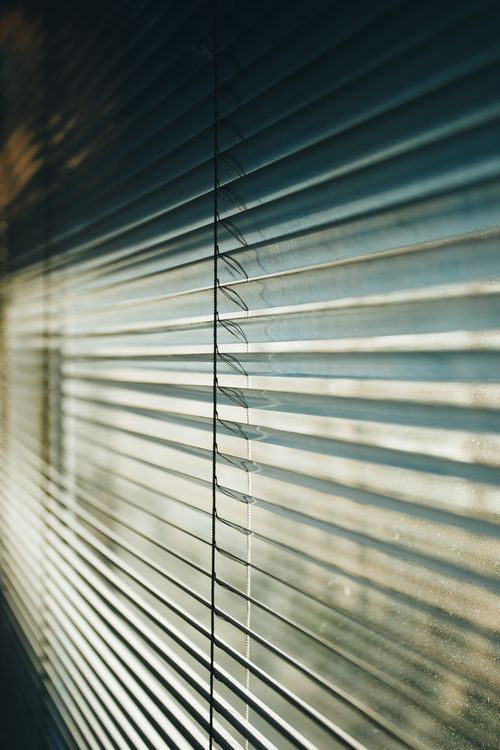
Blackout honeycomb blinds add an inner lining that blocks almost all light. They are the choice for bedrooms, nurseries and media rooms, where darkness helps sleep or screen viewing. The lining also adds a little more insulating mass, so blackout versions tend to hold temperature slightly better.
You do not have to choose only one across the home. Many owners fit light-filtering fabric in day rooms and blackout in bedrooms. For a fuller look at how different fabrics manage brightness, see our explainer on light control window treatments.
Which Rooms Suit Cellular Blinds Best?
Cellular blinds earn their keep in rooms with a temperature or light problem to solve. Because the trapped air works hardest against strong sun and large panes, the biggest wins come where the sun hits hardest or the glass is largest.
Bedrooms top the list. Blackout cellular blinds darken the room for better sleep and hold warmth on cold Cape nights. West-facing lounges and dining rooms come next, since they take the brunt of late-afternoon summer heat. Home offices benefit too, where light-filtering fabric cuts glare on screens while keeping the space bright.
Rooms with high humidity, such as kitchens and bathrooms, need a little thought because fabric can hold moisture. There are cellular options suited to damp spaces, though some owners prefer easier-wipe materials in those rooms.
Large glazed areas and sliding doors can also take cellular blinds in wider track systems, which keep the clean look across a big span without heavy stacks of slats.
How Do You Care for and Clean Honeycomb Blinds?
Honeycomb blinds stay effective only while the cells stay open and clean. Dust settling inside the pockets will not ruin the insulation, but a grimy blind looks tired and traps odours. A light routine keeps them fresh for years.
Dust them about once a month. A soft cloth, a feather duster or a dry microfibre glove all work, run along the pleats so you reach into the folds. For a deeper clean, use a vacuum on low suction with a soft brush head, moving gently across the surface so you don't crush the cells.
Marks and small stains come off with a cloth dampened in mild soapy water. Blot rather than rub, then let the fabric dry fully open before lowering it, so the cells do not seal shut while damp. Avoid soaking the blind, since too much water can distort the pleats.
How Do You Choose the Right Cell Size and Colour?
Cell size balances insulation against bulk. Single-cell blinds are slimmer and fold up small, which suits shallow window recesses and milder rooms. Double-cell blinds give a deeper air pocket and stronger insulation, a sensible pick for bedrooms, very sunny windows or rooms that run cold.
Colour does two jobs. Lighter fabrics reflect more heat and keep west-facing rooms cooler, while deeper tones suit a cosy or formal look. On the room side, a pale blind brightens a small space, and a colour matched to your walls lets the window recede quietly into the scheme.
Measuring and fitting also shape how well the blind performs, because the tight seal near the glass is what holds the air buffer in place. A blind fitted loosely leaks much of its benefit. If you would rather have the measuring and mounting handled, Jacobs Blinds and Shutters measures, supplies and installs cellular blinds across the Cape Peninsula so the fit is snug and the insulation does its job.
Once you have settled on cell size, fabric and colour, the next step is a proper measure-up at your window. Book a site visit with Jacobs Blinds and Shutters to confirm the right honeycomb blind for each room and get an accurate quote before you commit.
Frequently asked questions
What are honeycomb blinds?
Honeycomb blinds, also called cellular blinds, are fabric window coverings made of pleated cells shaped like a honeycomb. Each cell traps a pocket of still air that acts as insulation between the room and the glass.
Do honeycomb blinds really save energy?
Yes. The US Department of Energy reports cellular shades can reduce heat loss through windows by 40% or more and cut unwanted solar heat gain by up to 80% when fitted close to the glass.
Are honeycomb blinds good for hot climates like Cape Town?
They work well on warm days because the trapped air slows heat entering through sunlit windows, which keeps rooms cooler and eases the load on fans and air conditioning in summer.
What is the difference between light-filtering and blackout honeycomb blinds?
Light-filtering fabric lets a soft glow through while keeping privacy. Blackout fabric has an inner lining that blocks almost all light, which suits bedrooms, nurseries and media rooms.
How do I clean honeycomb blinds?
Dust them monthly with a soft cloth or feather duster. For a deeper clean, vacuum gently with a brush attachment on low suction. Spot-clean marks with a damp cloth and let the cells dry fully.