

Key takeaways
- Dust and vacuum fabric blinds every one to two weeks with a soft brush attachment to stop grime building into fibres.
- Spot-clean stains with cool water and a touch of mild soap, blotting rather than rubbing to protect the fabric.
- Coastal homes near the Cape sea air need more frequent cleaning because salt attracts moisture and keeps fabric damp.
- Always let fabric blinds dry fully flat or extended before rehanging to prevent warping and mildew.
- Call a professional or consider replacement when stains set permanently, fabric frays, or mechanisms stop working.
Knowing how to clean fabric blinds comes down to a simple routine: dust them regularly, blot spills quickly, and deep-clean a few times a year. Done consistently, that keeps the fabric bright and the mechanism working without any harsh chemicals or guesswork. The trickier part is doing it without stretching, staining or warping the material, which is where most people go wrong.
Fabric blinds collect more than you might think. The U.S. Environmental Protection Agency notes that people spend approximately 90 percent of their time indoors, so the dust, cooking residue and skin cells floating through your rooms settle steadily onto every soft surface, including your window coverings. Good fabric blinds care is really about staying ahead of that build-up rather than scrubbing it off later.
How to clean fabric blinds with routine dusting and vacuuming
The single best habit is frequent, gentle dusting. Aim for a quick pass every one to two weeks. Letting dust sit lets it bond with the fibres, and once it works its way deep into the weave it becomes a stain rather than loose dirt.
Start at the top and work down so you are never redepositing dust on areas you have already cleaned. Use one of these methods:
- A soft microfibre cloth or feather duster for a light surface pass.
- A clean, dry paintbrush or makeup brush to reach into folds and corners.
- A vacuum with the upholstery or brush attachment on its lowest suction setting.
When vacuuming, keep the suction low and move in the direction of the fabric grain. High suction can pull delicate material into the nozzle and distort the shape. For Roman blinds, lower them fully so the horizontal folds open up and release the dust trapped inside them.
This matters more than it sounds. The EPA has found levels of about a dozen common organic pollutants to be 2 to 5 times higher inside homes than outside, and soft furnishings act as reservoirs that hold onto that material. Regular dusting stops your blinds from becoming part of the problem. You can read the full breakdown in the EPA's guide to indoor air quality.
Spot-cleaning stains without damaging the fabric
Deal with spills while they are fresh. A drip of coffee or a smear of grubby fingerprints lifts easily within the first few minutes and sets into a lasting mark if you leave it.
Work in this order:
- Blot, never rub. Press a clean, dry cloth onto the stain to absorb as much as possible. Rubbing pushes the stain deeper and can fray the weave.
- Mix a little mild dish soap into cool water. Hot water can shrink fabric and fix certain stains permanently.
- Dampen a fresh cloth in the solution, wring it out well, and dab gently from the outside of the stain inward.
- Rinse by dabbing with a second cloth wrung out in clean water, so no soap residue is left to attract fresh dirt.
- Blot dry and let the area air-dry fully before raising or closing the blind.
Test any cleaning solution on a hidden corner first, such as the bottom edge behind the hem. Colours and finishes vary, and a quiet test spot tells you in seconds whether the fabric will hold up. Skip bleach, solvents and abrasive scrubbing pads entirely. They strip the fabric's finish and leave patches that are more obvious than the original stain.
Deep-cleaning roller and Roman fabric blinds
Every few months, or whenever a general dullness sets in, give the blinds a proper clean. The method depends on the type.
Roller blinds
Most roller blinds carry a stiffening and stain-resistant treatment, so avoid soaking or machine washing them. That treatment is what keeps the blind flat and rolling smoothly, and water can dissolve it. Instead, lower the blind to its full length and lay it flat on a clean towel or clean floor. Wipe the whole surface with a cloth wrung out in mild soapy water, working in gentle overlapping strokes, then go over it again with a cloth and clean water. Keep the fabric as dry as you reasonably can.
Roman blinds
Roman blinds have more structure, with rods or battens sewn into pockets, so take them down carefully and remove any rods before cleaning. Vacuum both sides first, then spot-clean marks. For an all-over refresh, a fabric-safe upholstery cleaner applied sparingly works well. Always follow the care label, since some Roman blinds are dry-clean only.
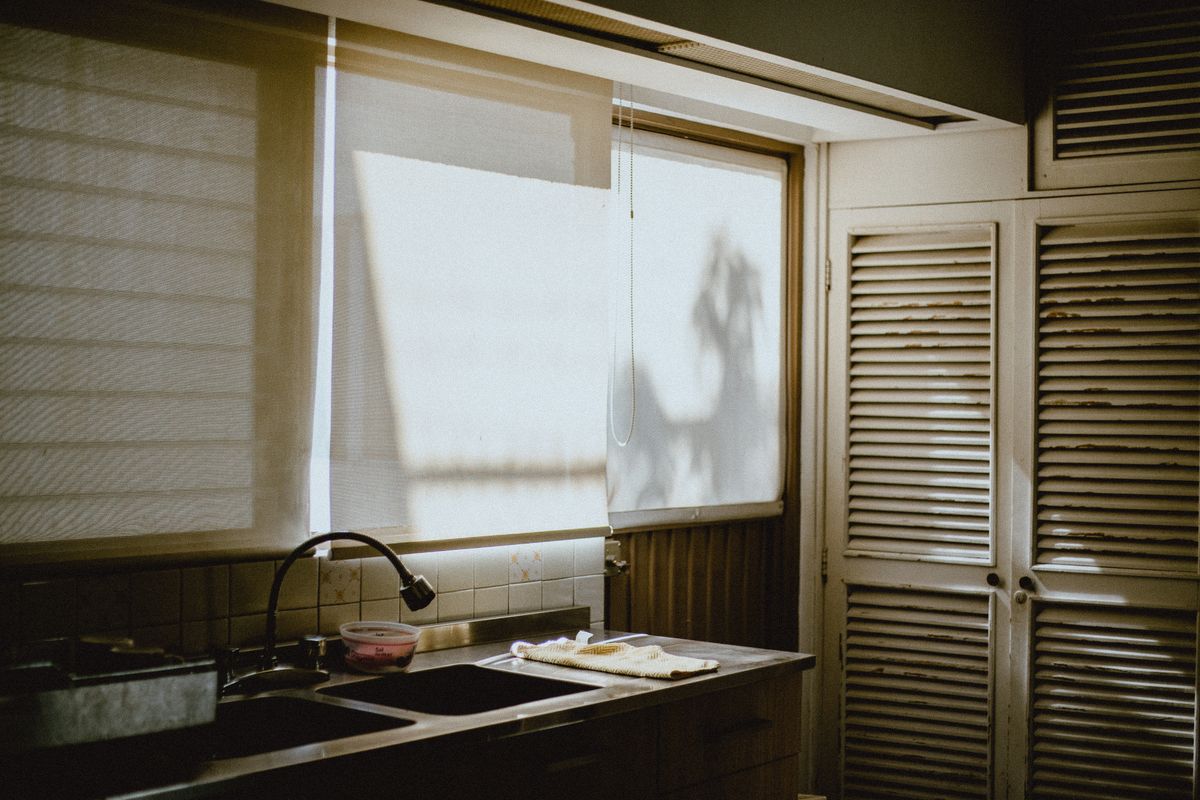
If your blinds are in a steamy or greasy room, the cleaning routine shifts again. Our guide to the best blinds for kitchens and bathrooms covers which fabrics cope best with humidity and how to keep them fresh in those spaces.
Dealing with coastal dust and salt residue
Homes around the Cape Peninsula face a challenge that inland properties do not: salt-laden sea air. Salt is hygroscopic, which means it attracts and holds moisture from the air. When salt settles on fabric blinds, it keeps the material slightly damp, and that lingering dampness speeds up mildew, musty odours and fibre breakdown.
The fix is more frequent, lighter cleaning rather than occasional heavy scrubbing. In sea-facing rooms:
- Wipe the fabric with a cloth dampened in cool, clean water to dissolve and lift salt, then dry it thoroughly.
- Open windows on dry, breezy days to let the fabric air out and shed moisture.
- Keep an eye on the brackets and mechanisms too, since salt air corrodes metal fittings over time.
A coastal home might need this wipe-down every couple of weeks, while a home further inland can stretch the interval. Rooms that catch the most sun and sea breeze, like those in exposed estates near the water, tend to show salt build-up first. If you are furnishing a home in one of these areas, our overview of window coverings for Sunset Links homes looks at materials that stand up better to the local climate.
Drying and rehanging to avoid warping
Drying is the step most people rush, and it causes the most damage. Fabric that goes back up while still damp traps moisture against the window, invites mildew and can stretch or warp as it finally dries in an uneven, bunched position.
Dry fabric blinds flat or fully extended, never folded or rolled. Lay roller blinds out flat on a clean towel, or hang them in place fully lowered so they dry under their own tension. Keep Roman blinds extended so the folds dry open rather than pressing damp creases into the fabric. Let them dry in a well-ventilated spot out of harsh direct sun, which can fade colours and make some fabrics brittle.
Only rehang or reinsert the rods once the fabric is completely dry to the touch, including the hems and seams where moisture lingers longest. If a blind still smells musty after drying, it was rehung too soon, so take it down and dry it again fully.
When to call in professional cleaning or replacement
Regular care extends the life of fabric blinds considerably, but there is a point where home cleaning stops being the answer. Consider professional help or replacement when:
- A stain has set permanently despite careful spot-cleaning.
- The fabric is fraying, thinning, or tearing along the edges and folds.
- Mildew has spread into the weave and keeps returning after cleaning.
- The blind is labelled dry-clean only and needs more than a surface wipe.
- The roller tension, cords or mechanism no longer work smoothly.
A professional clean makes sense for delicate or specialist fabrics where a home attempt risks ruining an otherwise good blind. When the fabric itself is worn out, though, cleaning only delays the inevitable. Our guide on blinds repair vs replace walks through how to weigh the cost of fixing against fitting something new.
If you decide it is time for a fresh set, the team at Jacobs Blinds and Shutters supplies and installs fabric blinds suited to Cape Peninsula homes and offices, including coastal properties where salt and humidity are a daily reality. The simplest next step is to assess your current blinds honestly: give them a thorough clean using the routine above, and if they still look tired or no longer work properly afterwards, that is your signal to plan a replacement rather than keep cleaning the same worn fabric.
Frequently asked questions
How often should I clean fabric blinds?
Dust or vacuum them every one to two weeks, spot-clean stains as they happen, and give them a deeper clean every few months. Coastal homes usually need more frequent attention.
Can I machine wash fabric roller blinds?
Most roller blinds should not go in a washing machine because the stiffening treatment and backing can break down. Spot-clean and hand-clean instead, and check the manufacturer's label first.
How do I remove salt residue from blinds near the coast?
Wipe the fabric with a cloth dampened in cool, clean water to dissolve and lift salt, then dry thoroughly. Repeat more often in sea-facing rooms, since salt attracts moisture.
Why do my fabric blinds smell musty after cleaning?
A musty smell usually means the fabric was rehung before it dried completely. Trapped moisture breeds mildew, so always dry blinds fully flat or extended before putting them back up.