

Key takeaways
- The Cape Peninsula's salt air, humidity and the south-easterly Cape Doctor wind should drive your shutter material choice more than looks alone.
- Aluminium shutters resist corrosion and moisture best in coastal homes, while timber suits sheltered or inland spots where warmth matters most.
- Shutters earn their keep in living areas, bedrooms and patios, where light control, privacy and airflow matter every day.
- An accurate quote starts with a free on-site measure, so book a Jacobs Blinds and Shutters consultation before committing to a material or style.
Shutters work well in the Cape Peninsula because they stand up to coastal conditions that quickly wear out softer window coverings. The right choice comes down to matching the material to your home's exposure: how close you are to the sea, how much the Cape Doctor reaches your windows, and which rooms you want to protect from glare and heat.
This guide walks you through why shutters suit local homes, how timber and aluminium compare for our climate, where they add the most value, what installation involves across suburbs like Somerset West and Sunset Links, and how to get a quote you can trust.
Why Shutters Suit Cape Peninsula Homes and the Coastal Climate
The Cape Peninsula climate is demanding on window coverings, which is exactly why solid shutters hold up where fabric blinds and curtains fade and sag. Salt-laden air, high humidity near the coast, and strong seasonal wind all put pressure on anything fitted to a window frame.
The region's defining wind is the south-easterly known as the Cape Doctor, or Kaapse Dokter. It blows from spring to late summer, roughly September to March, and is notorious in and around the Cape Peninsula, where it can be strong and persistent (Cape Doctor, Wikipedia). The wind earned its nickname from the old belief that it clears the city's air.
For homeowners, that wind means two things. Curtains billow and catch draughts through gaps, while fitted shutters sit flush against the opening and hold firm. Shutters also give you fast, precise control: tilt the louvres to keep airflow moving on a hot south-easter day, or close them down against driving afternoon sun.
Coastal humidity is the other factor. Near the shoreline, damp air and salt speed up corrosion and encourage timber to swell and warp. That does not rule out any single material. It simply means the smart buyer picks a shutter built for the conditions at their specific address, rather than the one that looked best in a showroom inland.
Timber vs Aluminium Shutters for Local Conditions
For most homes within a few kilometres of the coast, aluminium shutters are the lower-maintenance choice, while timber rewards sheltered rooms and inland suburbs with warmth and character. Both are solid, long-lived options when matched to the right setting.
Aluminium shutters resist salt air, moisture and the knocks of daily use. Airborne sea salt is a well-documented driver of accelerated corrosion in coastal areas, and the effect eases the further you move from the shoreline (Marine Atmospheric Corrosion of Carbon Steel: A Review, PMC). A quality marine-grade powder coating protects the metal, so aluminium shrugs off the damp, corrosive conditions you get close to the sea. They stay dimensionally stable, meaning they will not swell shut in a humid winter or warp in summer heat. For patios, bathrooms, and any window that takes the full force of the south-easter, aluminium is usually the safer long-term bet.
Timber shutters bring a natural grain and a softer, warmer feel that many homeowners prefer in living and sleeping areas. In sheltered rooms, or in suburbs set back from the coast where salt exposure is lower, well-finished timber performs beautifully for years. The trade-off is upkeep: timber needs re-sealing or re-staining over its life to stay protected, and it is more sensitive to prolonged damp than aluminium.
A simple way to decide:
- Closer to the sea or high moisture (bathrooms, patios, beachfront): lean aluminium.
- Sheltered, drier, or inland rooms where you want warmth: timber is a strong option.
- Mixed home: many clients run aluminium on exposed openings and timber in protected living spaces.
Jacobs Blinds and Shutters supplies and installs both timber and aluminium shutters across the Cape Peninsula, so the conversation can start with your home's exposure rather than with a product we happen to stock. That is the order that gets you a shutter which still looks right in a decade.
Where Shutters Add the Most Value: Living Areas, Bedrooms and Patios
Shutters deliver the most everyday value in living areas, bedrooms and patios, because those are the spaces where light, privacy, temperature and airflow all matter at once. Getting the right coverage here changes how the whole home feels.
In living rooms, the job is glare and privacy without losing the view. Adjustable louvres let you knock back harsh afternoon sun on the screen or sofa while keeping the room bright. Managing that light also protects furniture and floors. Controlling sunlight through windows is one of the simplest ways to cut unwanted heat gain and glare in a home (U.S. Department of Energy, Energy Saver: Window Treatments).
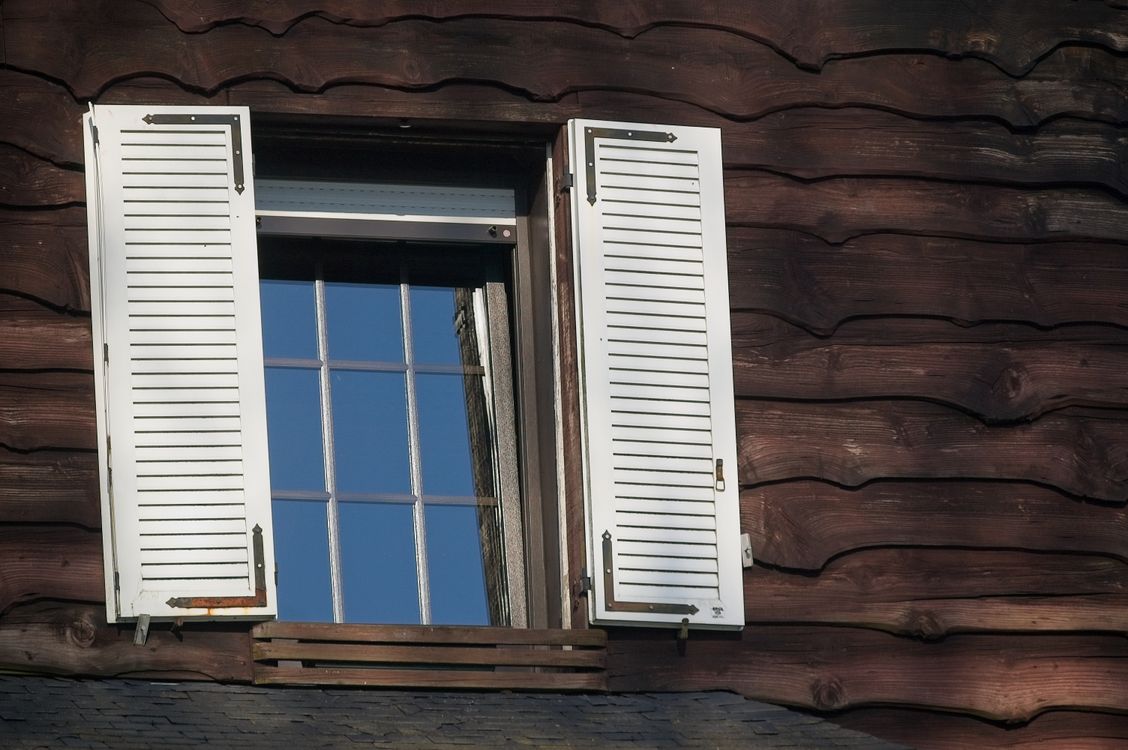
Bedrooms ask for something different: darkening, quiet and privacy. Solid shutters close down tightly for better sleep and seal the window against the summer south-easter rattling through at night. Because the louvres are adjustable, you still get morning light and ventilation on your terms.
Patios and stacking-door openings are where material choice matters most. These windows take sun, wind and the occasional splash, so durable shutters that handle the elements pay off. They also extend your usable outdoor-indoor space, letting you tune shade and breeze as the day changes.
What Installation Involves Across Somerset West and Sunset Links
Shutter installation in suburbs like Somerset West and Sunset Links follows the same careful sequence, adjusted for each home's window types, frames and exposure. A proper fit is what separates shutters that last from ones that bind, gap or sag.
The process runs in clear stages:
- On-site survey and measure. A consultant visits your home, records exact dimensions for every opening, and checks the recess depth, frame condition and wall type. Coastal exposure and the direction each window faces are noted here, since they steer the material and mounting advice.
- Material and style confirmation. Based on the survey, you confirm timber or aluminium, louvre size, colour and the mounting method (inside the recess, face-fixed, or on a frame).
- Manufacture. Shutters are made to your measurements. Built-to-fit panels are what give shutters their clean, flush look.
- Fitting. The installation team mounts the frames, hangs the panels, checks that every louvre and hinge moves freely, and adjusts for square so the panels close evenly.
Homes in Somerset West often sit a little further from the open coast, which can widen your timber options, while breezier, more exposed spots like Sunset Links tend to favour corrosion-resistant aluminium on the windows that face the wind. A local installer who knows these differences will flag them during the survey rather than after the fit.
A tidy installation also respects your home: protecting floors, cleaning up, and walking you through how to operate and care for the shutters before leaving. Jacobs Blinds and Shutters handles both the supply and the fitting across the Cape Peninsula, so a single team is accountable from measure to final adjustment.
How to Get an Accurate Quote and Measure for Fit
An accurate shutter quote starts with an on-site measure, not a phone estimate, because real dimensions and real conditions determine both the price and the fit. Quotes built on guessed sizes almost always change once someone actually measures the windows.
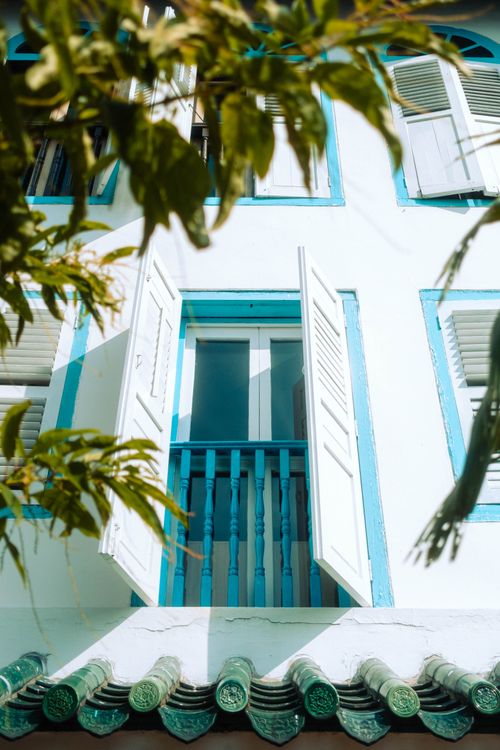
To prepare for a productive quote, gather a few things first:
- A rough window count per room, so the consultant can plan the visit.
- Your priorities per space: darkening in bedrooms, glare control in the lounge, durability on the patio.
- Any known problems: windows that face the wind, damp spots, or openings near bathrooms and kitchens.
During the measure, expect the consultant to check recess depth and squareness, confirm whether panels fit inside or outside the opening, and recommend a material based on each window's exposure. These details drive the final number, so a transparent quote itemises material, panel sizes and mounting rather than giving one lump figure.
Why measure so carefully? Shutters are made to fit a specific opening. A few millimetres out can mean a panel that fouls on the frame or leaves a light gap, and that is far harder to fix after manufacture than to get right at the survey.
The practical next step is simple: book a free on-site measure and consultation with Jacobs Blinds and Shutters. You will get material advice matched to your suburb's exposure, exact measurements, and an itemised quote you can act on with confidence.
Frequently asked questions
Are timber or aluminium shutters better for a coastal Cape Town home?
For homes close to the sea, aluminium shutters handle salt air and humidity with less maintenance. Timber suits sheltered rooms or inland suburbs where moisture exposure is lower and a warmer look is wanted.
Do shutters help with the Cape Doctor wind?
Fitted shutters create a solid barrier at the window that cuts draughts and rattling during the summer south-easter. They also filter harsh afternoon light and give you quick control over ventilation.
How do I get an accurate shutter quote in the Cape Peninsula?
Book an on-site measure. A consultant records exact window dimensions, checks the frame and recess, and confirms material and mounting. Quotes based on guessed measurements almost always need revising later.
Which rooms benefit most from shutters?
Living areas, bedrooms and patios see the biggest gain. Living rooms need glare and privacy control, bedrooms need darkening and quiet, and patio or stacking doors need durable shutters that handle wind and sun.