
Key takeaways
- Aluminium shutters resist the salt air, rust and corrosion that quickly damage window coverings on the Cape Peninsula coast.
- Powder-coated aluminium to the AAMA 2605 standard passes 4,000 hours of salt-spray testing and carries warranties of up to 20 years.
- Unlike timber, aluminium shutters need no sanding, re-oiling or repainting, just an occasional rinse with fresh water.
- Cape Town records noticeable wind on 95.6% of days, so solid aluminium shutters add real storm and security protection outdoors.
If you live within sight of the ocean, aluminium shutters are the window covering most likely to survive the salt, wind and damp without constant repair. They resist corrosion, shrug off storms, and need almost none of the upkeep that timber demands in a marine climate. This guide explains why aluminium shutters earn their place on Cape Peninsula homes, and where they work best.
Homes in Hout Bay, Kommetjie, Muizenberg and the rest of the coast face a hard combination: salty air, high humidity and near-constant wind. Materials that look fine inland start to degrade fast here. Choosing the right shutter material saves money and frustration over the years you own the house.
Why Aluminium Resists Salt Air and Rust
Aluminium does not rust the way iron and steel do, which is the single biggest reason it suits the coast. When exposed to air, aluminium forms a thin, stable oxide layer on its surface. That layer seals the metal underneath and stops the progressive flaking corrosion that destroys ferrous metals near the sea.
A quality finish takes that resistance further. Premium architectural powder coatings certified to the AAMA 2605 specification are required to survive 4,000 hours of salt-spray exposure under the ASTM B117 test, and products meeting it can carry performance warranties of up to 20 years (Spectrum Metal, AAMA Specifications Guide). That salt-spray figure, roughly 167 days of continuous exposure, is a direct proxy for how a shutter behaves facing the Atlantic.
Humidity is the other coastal factor. Cape Town sits in a high-moisture band for much of the year, and damp air is exactly what warps and rots untreated timber. Aluminium does not absorb water, so it will not swell, split or grow mould, which is where many coastal homeowners first see timber coverings fail.
Security and Storm Protection Advantages
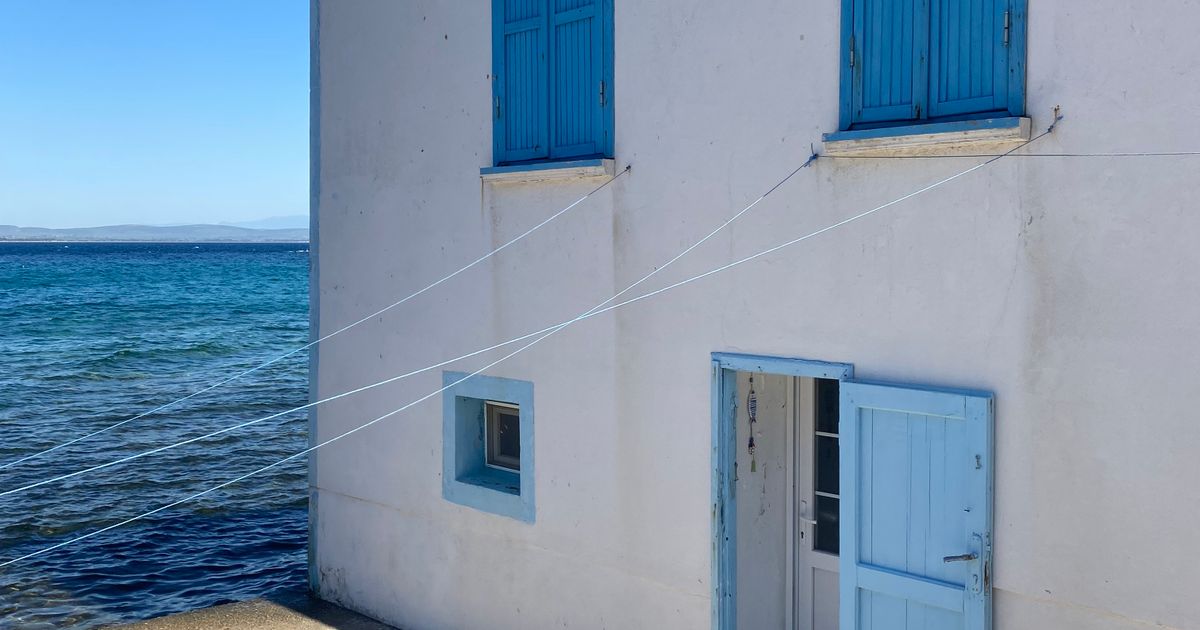
Solid aluminium shutters do a second job that lightweight blinds cannot: they physically guard the openings in your home. Closed over a window or glass door, an aluminium shutter forms a rigid barrier against wind-driven rain and flying debris during a storm, and a visible deterrent against break-ins when the house is empty.
That storm role matters more on the Cape coast than many owners expect. The South African Weather Service records that Cape Town experiences wind above 1.6 m/s on 95.6% of days in a year, with the summer South Easter averaging around 7 m/s (South African Weather Service, Climate Questions). Few homes here get a genuinely still day, so coverings face near-constant load.
The metal's strength is what makes this possible. A closed aluminium shutter resists impact far better than fabric, vinyl or thin slatted blinds. For openings you want to secure as well as shade, aluminium gives you both in one fitting rather than adding separate security bars.
There is a comfort benefit in heavy weather too. When the South Easter drives sand and spray against the glass, a closed shutter cuts the noise and keeps grit off the window, so rooms stay calmer and cleaner through a blow. Lockable versions double as a holiday-home safeguard, letting owners leave a seaside property buttoned up for weeks at a time. That matters along the peninsula, where many coastal houses sit empty between visits and face both weather and opportunistic break-ins while nobody is home.
Low Maintenance Compared With Timber
The clearest day-to-day benefit of aluminium shutters is how little they ask of you. Timber shutters in an exposed coastal position need regular attention: sanding, re-oiling or repainting on a recurring cycle, because salt and UV break down surface coatings and the wood beneath moves with every change in humidity. Miss a cycle and the damage sets in quickly.
Aluminium removes that chore almost entirely. A powder-coated shutter keeps its colour and surface for years, and upkeep comes down to rinsing off salt and dust with fresh water, then an occasional wipe with a mild soapy cloth. There is no stripping, no sanding and no repainting, just simple regular cleaning like most low-maintenance window coverings.
There is a sustainability angle too. Aluminium is among the most recyclable materials in use, and recycling it uses only a small fraction of the energy needed to make new metal from raw ore. A shutter that lasts decades and is fully recyclable at the end carries a low lifetime footprint. For a wider look at material choices on the peninsula, see our Shutters in the Cape Peninsula: Complete Buyer's Guide.
Styles and Finishes Available
Aluminium shutters are not limited to the plain industrial look some people picture. Modern ranges come in a wide spread of colours through the powder-coat process, from classic whites and charcoals to custom shades matched to your trim. The finish is baked on, so it resists fading in strong coastal sun far better than a brushed-on paint.
You also get choice in form. Adjustable louvre blades let you tilt for light and privacy, much like a plantation shutter but in weatherproof metal. Fixed-blade and solid-panel versions prioritise security and full blackout. Framing and hinge options cover hinged, bi-fold and sliding configurations to suit the opening.
Blade width changes the look as well as the function. Narrow slats read as crisp and contemporary, while wider blades give a softer, more traditional profile closer to a classic plantation shutter. Powder-coat colour can either blend the shutter into the wall or pick out the window as a feature. Because the finish is factory-applied rather than painted on site, the colour stays even across every blade and frame, which keeps a run of shutters looking consistent along a seafront elevation.
The visual result sits comfortably on both heritage and contemporary homes. For interior rooms you may weigh the louvre look against plantation shutters or slatted blinds, but for exposed exterior openings on the coast, aluminium is usually the material that lets you keep that style without the maintenance penalty.
Ideal Applications Around Patios and Exteriors
Aluminium shutters earn their keep most clearly in the places timber and fabric fail fastest: outdoors and seaward-facing. Patios, verandas, pool surrounds and balconies all sit fully exposed to salt spray and wind, and a weatherproof metal shutter handles that exposure year after year without degrading.
On a patio, louvred aluminium shutters let you dial in shade and privacy while the sea breeze still passes through. Closed down, they turn an open veranda into a sheltered room during a South Easter, and lock it up when you travel. Around a pool, they stand up to chlorine and splash far better than timber.
They work indoors too, on any window that takes direct coastal weather, and they pair well with other coverings elsewhere in the house. A practical first step is measuring your openings accurately before you choose blades and framing.
If your home or business sits near the Cape Peninsula coast, the next move is a straightforward one: get an on-site assessment of which openings face the worst of the weather, and have those measured for aluminium shutters first. Jacobs Blinds and Shutters installs across the peninsula and can match finishes and blade styles to each exposure, so you cover the vulnerable windows before the salt air forces the decision for you.
Frequently asked questions
Do aluminium shutters rust near the sea?
Aluminium itself does not rust the way iron and steel do. It forms a thin protective oxide layer, and a quality powder-coat finish adds further salt and corrosion resistance for coastal homes.
Are aluminium shutters better than timber for coastal homes?
For exposed coastal positions, yes. Timber swells, cracks and needs regular re-coating in salt air, while powder-coated aluminium stays stable and needs only occasional rinsing.
Can aluminium shutters help in Cape storms?
Solid aluminium shutters can be closed over windows and doors to shield glass from wind-driven rain and flying debris, and they add a visible security barrier when you are away.
How do you clean aluminium shutters?
Rinse them with fresh water to remove salt and dust, then wipe with a mild soapy cloth if needed. No sanding, oiling or repainting is required, unlike timber shutters.
Where do aluminium shutters work best outdoors?
They suit patios, verandas, pool areas, balconies and any seaward-facing window. Their weather resistance makes them ideal where timber or fabric coverings would fail quickly.